





















Think about how your kid spends their day. Homework on a tablet. A quick scroll on your phone. A few hours of gaming. Maybe some reading before bed. Childhood today looks a lot different than it did a generation ago, and honestly? Our kids’ eyes are feeling that shift.
Myopia in children, also known as nearsightedness, is more common than ever before. In fact, research suggests that roughly one in three children and teens worldwide is affected, and that number is climbing. If your child just came home from an eye exam with a new prescription, take a breath. This isn’t a scary moment. It’s just a new chapter in their growing-up story, and there are millions of kids right there with them.
What Exactly Is Myopia, and Why Does It Happen?
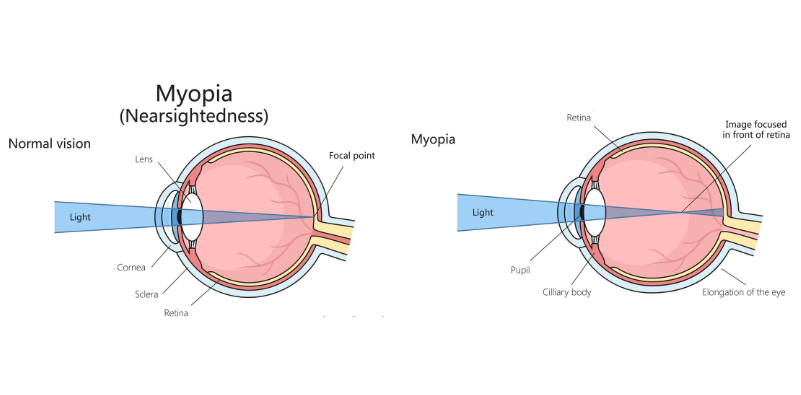
Myopia is a vision condition where nearby objects look clear, but things in the distance appear blurry. Your child can read a book just fine, but the whiteboard at school? A little fuzzy.
Here’s the simple science behind it: the eye grows slightly too long from front to back, or the cornea (the clear front surface of the eye) curves a little too steeply. When that happens, light entering the eye focuses just in front of the retina instead of directly on it, which is what causes that blurry distance vision.
The good news is that it’s completely correctable with the right pair of glasses, and your child can get right back to seeing the world in full, glorious detail.
What Causes Myopia in Kids Today?
So why are so many children developing nearsightedness? There’s no single answer, but a few key factors are driving the trend.
The Screen Shift
Kids today spend significantly more time on near-focus activities than any previous generation. Phones, tablets, laptops, and reading all put sustained pressure on developing eyes. Research has found that each additional hour of daily screen time increases the odds of myopia by around 21%, which is a pretty compelling reason to build in some screen-free time.
Less Time Outdoors
This one is big. Study after study links reduced outdoor time with higher rates of nearsightedness. Natural light plays a protective role in healthy eye development, and the simple act of focusing on distant objects, like a bird in a tree or a friend across the park, gives young eyes a much-needed break from close-up work. Research shows that just 40 extra minutes of outdoor time per day can reduce myopia incidence by around 10%, and two hours daily may slow progression by up to a third.
Genetics
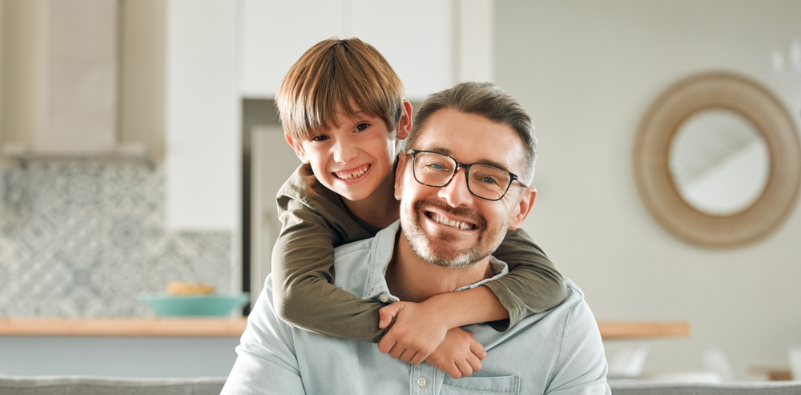
If one or both parents are myopic, children are more likely to develop it too. If one parent is nearsighted, the risk roughly doubles. If both parents are, the risk is significantly higher. This isn’t anyone’s fault. It’s just biology doing its thing.
It’s a Global Trend
Myopia rates are rising worldwide, particularly in urban areas. Your child is far from alone. By 2050, researchers project that nearly 40% of children and adolescents globally could be affected. Knowing that helps put things in perspective.
What Are the Signs of Nearsightedness in Kids?
Children don’t always know how to describe what they’re seeing, so parents often have to play detective. Here are some common signs of nearsightedness to watch for:
- The “TV Lean” or always claiming the front row: if your kid is constantly scooting closer to the screen or sitting at the front of the classroom, their eyes might be working overtime.
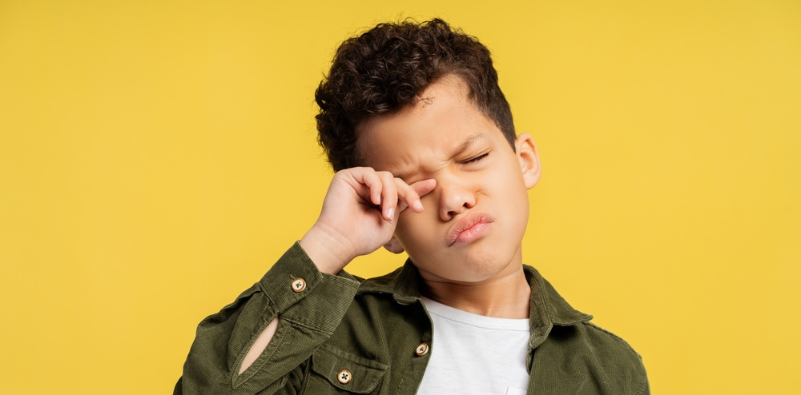
- Rubbing their eyes after a long school day, especially after a lot of reading or screen time.
- Squinting during sports or when trying to spot something in the distance, like a bird, a plane, or a friend across the field.
- Frequent headaches, particularly after school or activities that involve a lot of visual focus.
If any of these sound familiar, it’s worth booking an eye exam sooner rather than later.
How Can Parents Help Slow Progression?

While there’s no cure for nearsightedness, there are some genuinely effective lifestyle habits that can help slow things down.
Get Outside More
This is the single most well-supported lifestyle change for kids’ eye health. Kids outdoor play doesn’t need to be structured or sporty. A walk, some backyard time, or a trip to the park all count. Aim for at least two hours of outdoor activities for kids daily. The combination of natural light and distance viewing is a powerful duo for developing eyes.
Reduce Screen Time on Handheld Devices
The closer the screen, the harder the eyes work. Encouraging kids to take regular breaks using the 20-20-20 rule (every 20 minutes, look at something 20 feet away for 20 seconds) can make a real difference. Limiting recreational screen time for kids, especially on phones and tablets, is one of the most practical steps parents can take.
Adjust Lighting and Posture When Studying
Good lighting reduces eye strain, and proper posture keeps screens and books at a healthy distance. Encourage your child to sit up straight, hold reading material about 12 to 16 inches away, and always study in a well-lit room. Small habits, big impact.
Your Myopia Questions, Answered
Q. Will my child’s eyesight keep getting worse?
A. Myopia often progresses during childhood and tends to stabilize in early adulthood. That’s why regular eye tests are so important. They help track any changes and make sure your child’s prescription stays current so they’re always seeing their best.
Q. Is myopia hereditary?
A. Yes, genetics play a real role. If one parent is myopic, the risk roughly doubles. If both parents are, the risk is significantly higher. That said, environment and lifestyle also play a big part, so there’s plenty parents can do to support healthy vision regardless of family history.
Q. Can myopia be cured?
A. There’s currently no cure for myopia, but it is very manageable. Corrective glasses ensure children can see clearly and get on with being kids, whether that’s reading, playing sports, or just navigating the school hallway without squinting.
Q. How often should my child have an eye test?
A. Most eye care professionals recommend annual eye exams for children, or more frequently if myopia is progressing. Early detection really does make a difference, so don’t skip those checkups.
Ready to Find the Perfect Pair?
If your child has a new prescription in hand, the fun part starts now. Head over to Yay Optics and find a pair of frames that makes them feel like the superhero they already are. From durable everyday styles to frames built for active kids, we’ve got options that’ll have them actually excited to wear their glasses.
Because seeing clearly should feel like a superpower, not a setback.