


















As parents, it’s easy to notice the big milestones, from first steps and first words to the first day of school. One milestone that can be easier to miss is your child’s first eye exam. At Yay Optics, we believe pediatric eye exams are one of the most important steps you can take to support your child’s learning, confidence, and long-term wellbeing.
Children rely on their vision every day, not just for reading or looking at the board in class, but for play, sports, coordination, creativity, and understanding the world around them. The good news is that many vision problems in children can be managed more effectively when they are found early. Regular exams help parents stay ahead of changes, even when children do not notice anything is wrong.
Why Do Regular Eye Exams Matter for Children?
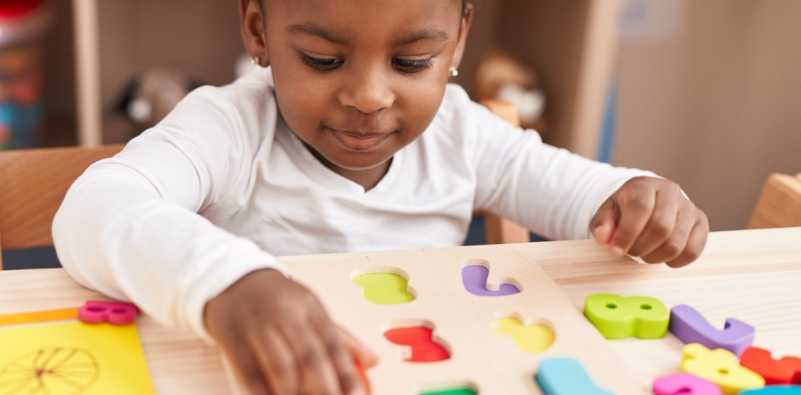
Children’s eyes are still developing, and vision can change quickly during the early years. That is one of the reasons children’s eye exams are so important. Unlike adults, children may not be able to explain that their vision feels blurry, strained, or uncomfortable. Many kids simply assume the way they see is normal because they have never known anything different.
Routine exams give a qualified eye doctor the chance to check more than how clearly your child can see. They also assess children’s eye health, eye alignment, how the eyes work together, and how well visual skills are developing. These checks can help identify concerns before they begin to affect reading, concentration, confidence, or daily activities.
Regular kids eye exams are especially useful because vision plays such a big role in learning. If a child is struggling to see clearly, follow words across a page, or focus comfortably, they may become tired or distracted without knowing how to explain the problem. This can sometimes be mistaken for a lack of interest, when the real issue is that their eyes are working harder than they should.
How Vision Supports Childhood Development
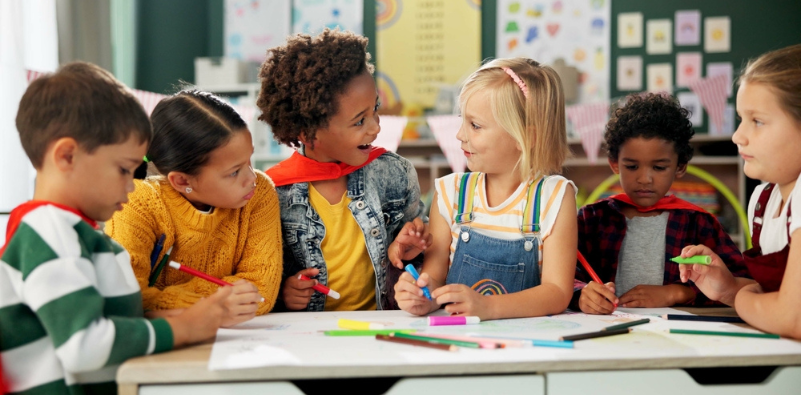
Clear vision is only one part of the picture. Vision development in children also includes how well the eyes focus, track movement, judge distance, and work together as a team. These skills support everything from learning to read to catching a ball, climbing stairs, drawing, writing, and building confidence in busy environments.
Important visual skills include focusing and tracking skills, which help children move their eyes smoothly across a page, shift focus between the board and their desk, and follow moving objects. Depth perception in kids is also important, especially for sports, playground activities, balance, and hand-eye coordination.
When these visual skills develop well, children can move through their day with more ease. When they do not, small challenges can show up in different ways. A child may lose their place while reading, avoid close-up tasks, bump into things, struggle with ball games, or seem frustrated during schoolwork. Regular routine eye check-ups for children help make sure these skills are developing as they should.
What Can a Pediatric Eye Exam Actually Detect?
A full eye exam for kids goes much further than a simple vision screening. School screenings can be helpful, but they often focus mainly on distance vision. A comprehensive exam with an optometrist for children looks at the full visual system and can detect issues that may otherwise be missed.
Common conditions identified during pediatric eye exams include:
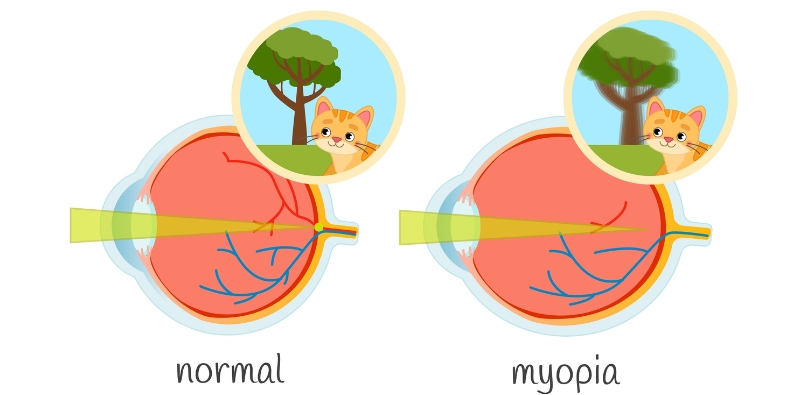
- Myopia, or short-sightedness: Myopia causes distant objects to look blurry. It often develops during the school years and can progress as children grow. Early management can help parents understand their child’s changing prescription and the best options for support.
- Hyperopia, or long-sightedness: Children with hyperopia may find close-up tasks more tiring, especially reading, writing, or using screens. Some children can compensate for a while, but this can lead to eye strain or headaches.
- Astigmatism: Astigmatism happens when the eye’s shape causes blurred or distorted vision at different distances. It can affect reading, classroom learning, and general comfort.
- Amblyopia, or lazy eye: Amblyopia develops when one eye does not work as well with the brain as the other. Early vision detection is especially important because treatment is usually more effective when started young.
- Strabismus, or crossed eyes: Strabismus occurs when the eyes are not aligned correctly. This can affect how the eyes work together and may also affect depth perception.
- Color vision deficiencies: Identifying color vision differences early can help parents and teachers adjust learning materials, activities, and classroom support.
During a comprehensive exam, the eye doctor will also check eye health, including the internal and external structures of the eye. This helps make sure your child’s eyes are healthy, not just that they can see clearly.
What Are the Signs Your Child May Need an Eye Exam?
Some signs that your child may need an eye exam are easy to spot. Others can be mistaken for everyday habits. If you notice any of these behaviors, it may be time to book an eye exam for kids:
Squinting, sitting very close to the TV, holding books or devices close to their face, covering one eye, tilting their head, rubbing their eyes often, or complaining about headaches can all be linked to vision changes. You might also notice your child losing their place while reading, avoiding close-up tasks, struggling to copy from the board, or finding it harder to concentrate after screen time or homework.
Children may also show signs through their confidence or behavior. They might avoid sports, become frustrated with schoolwork, or say they do not like reading. These changes do not always mean there is a vision problem, but they are worth paying attention to.
It is also helpful to remember that passing a school vision screening does not always mean your child’s eyes are completely healthy. Screenings are limited and may not detect focusing concerns, eye teaming problems, or other conditions that a full children’s eye exam can identify.
How Often Should Kids Have Their Eyes Checked?
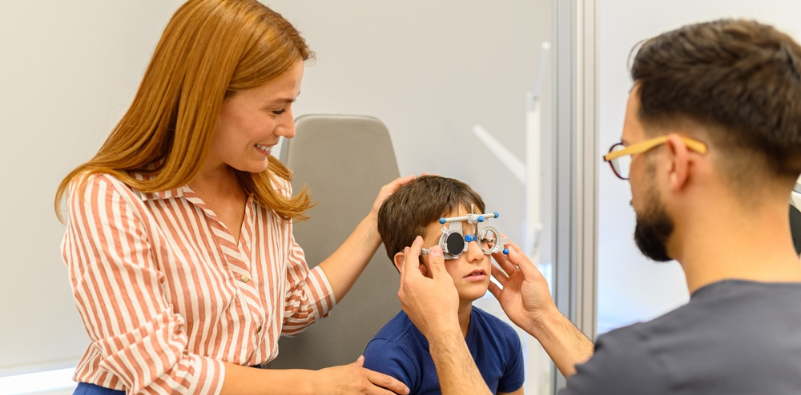
The American Optometric Association recommends that children have their first eye exam at 6 months old, another at age 3, and another before they start school. Once children are school age, they should usually have an eye exam every one to two years, or more often if their eye doctor recommends it.
Children who already wear glasses, have a known eye condition, or have a family history of certain eye problems may need more frequent appointments. Their prescription can change as they grow, so regular check-ups help make sure their glasses continue to support their vision properly.
Routine eye check-ups for children are not just for children who already seem to be struggling. They are an important part of preventive care. Just like dental visits and regular health checks, eye exams help make sure your child’s development stays on track.
Why Children Do Not Always Speak Up About Vision Changes
One of the biggest challenges with children’s vision is that kids often do not know there is a problem. If the board has always looked blurry, or reading has always made their eyes feel tired, they may think everyone sees and feels the same way.
This is especially true when one eye sees better than the other. A child may rely on the stronger eye without realizing the other one is not working as well. In cases like amblyopia, this can make the issue very difficult for parents to spot without a professional exam.
That is why regular pediatric eye exams matter so much. They give parents peace of mind and give children the chance to get support before vision issues begin affecting school, play, or confidence.
Ready to Make Sure Your Child’s Vision Is on Track?
If your child has not had a pediatric eye exam recently, or has never had one, now is a great time to make it a priority. Children’s vision can change quickly, and early support can make a meaningful difference in their learning, comfort, and confidence.
Regular eye exams help detect concerns early, support healthy vision development, and give parents a clearer understanding of their child’s needs. Explore Yay Optics’ range of children’s eyewear and help your child enjoy clear, comfortable vision every day.
Frequently Asked Questions
What are the signs my child may need an eye exam?
Common signs include squinting, sitting too close to the TV or screen, holding books very close to their face, frequent headaches, rubbing their eyes, and avoiding activities like reading from the board at school. If you notice any of these signs, it’s a good idea to book a pediatric eye exam with a qualified optometrist as soon as possible.
Why do regular eye exams matter for children?
Children’s vision can change quickly, especially during key developmental years. Regular pediatric eye exams help detect issues early — before they start affecting learning, concentration, or day-to-day activities. Many vision problems don’t show obvious symptoms, which is why routine check-ups are so important even when your child seems perfectly fine.
How often should kids have eye exams?
The American Optometric Association (AOA) recommends that children have their first eye exam at 6 months, again at age 3, and before starting school. After that, school-age children should have a children’s eye exam every one to two years, or more frequently if advised by their optometrist.