





















Screens are basically part of childhood now. From online homework and school research to virtual lessons, games, videos, and creative projects, kids spend plenty of time looking at computers, tablets, and other digital devices. While screens can be super useful, they can also come with one annoying sidekick: glare.
Bright reflections from screens, windows, overhead lights, and shiny lens surfaces can make it harder for kids to see clearly. That can turn a simple homework session into a squint-fest. Not fun.
That’s where anti glare glasses come in. These lenses are designed to reduce distracting reflections and help make screen time clearer and more comfortable. For kids who use devices often, computer glasses with anti glare coating can be a simple upgrade that supports smoother homework, easier reading, and more relaxed screen time.
What Are Anti-glare Glasses?
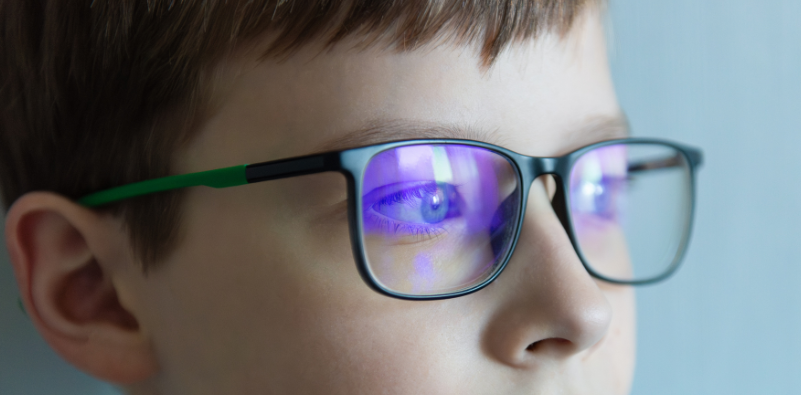
What are anti glare glasses? They are glasses with a special lens coating that helps reduce reflections from light sources around your child. These reflections can come from digital screens, classroom lighting, lamps, windows, or even light bouncing off the lenses themselves.
Without this coating, light can reflect off the front and back surfaces of the lenses. That reflection can create visual distractions and make things look less sharp. Anti-glare coating helps more light pass through the lenses instead of bouncing off them.
The result? A clearer view, fewer distracting reflections, and a more comfortable experience when kids are reading, studying, or watching something on a screen.
You may also hear these called anti reflective glasses. The terms are often used in similar ways because both refer to lenses that reduce reflections and improve visual clarity.
Why Screen Glare Is Such A Big Deal For Kids
Screen glare happens when light reflects off a screen or lens surface and competes with what your child is trying to see. It might show up as bright spots, hazy reflections, or annoying shine across the screen.
For kids, this can make digital content harder to read. They may lean closer to the screen, squint, tilt their head, or lose focus more quickly. Over time, this can make homework feel more tiring than it needs to be.
Parents often notice these small signs during longer screen sessions. A child might rub their eyes, complain that the screen looks too bright, or get frustrated while reading online assignments. While there can be many reasons for visual discomfort, reducing glare is one practical way to make screen-based activities easier on the eyes.
That’s why anti glare glasses for computer use can be helpful for children who regularly use laptops, desktops, or tablets for school and entertainment.
How Anti-glare Glasses Help With Homework and Learning
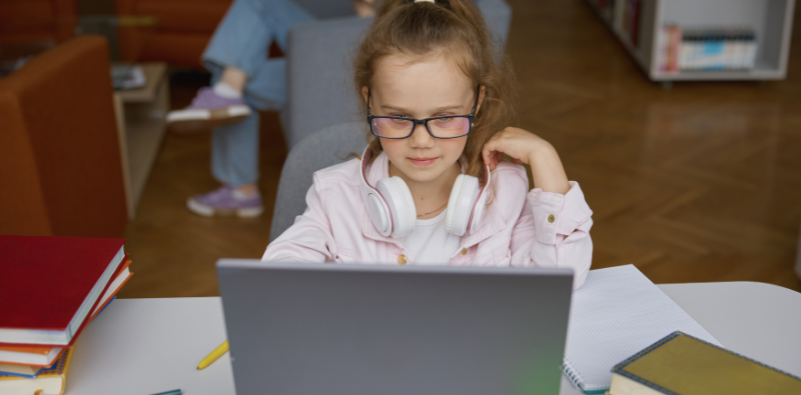
Homework is already enough of a challenge without reflections getting in the way. Anti-glare lenses help reduce light bouncing off the lenses, so kids can focus more on what is actually on the screen.
This can be helpful when children are:
- Reading online textbooks
- Typing school assignments
- Watching educational videos
- Joining virtual classes
- Researching projects
- Using learning apps
- Playing games or relaxing after school
When the screen looks clearer, kids may find it easier to stay engaged. They are not fighting reflections from a window or classroom light. They can simply look, read, and get on with the task.
Anti-glare coatings are especially useful in changing lighting conditions. Your child might use a tablet in a bright kitchen, a laptop in a classroom, or a computer in a bedroom with overhead lighting. A good coating helps reduce reflections in all these everyday settings.
Can Anti-glare Glasses Help With Eye Strain From Computer Use?
Eye strain from computer use is a common concern for parents. Kids may spend long stretches looking at screens for schoolwork, video calls, and entertainment. Anti-glare lenses can help make viewing more comfortable by reducing reflections that force the eyes to work harder
That said, glasses are only one piece of the puzzle. Healthy screen habits matter too. Encourage kids to take regular breaks, blink often, sit at a comfortable distance from the screen, and avoid using devices in very dark rooms.
Anti-glare glasses will not magically make unlimited screen time a great idea. But they can help create a clearer, more comfortable setup for the screen time your child already has.
Anti-glare Vs. Blue Light Glasses: What’s The Difference?
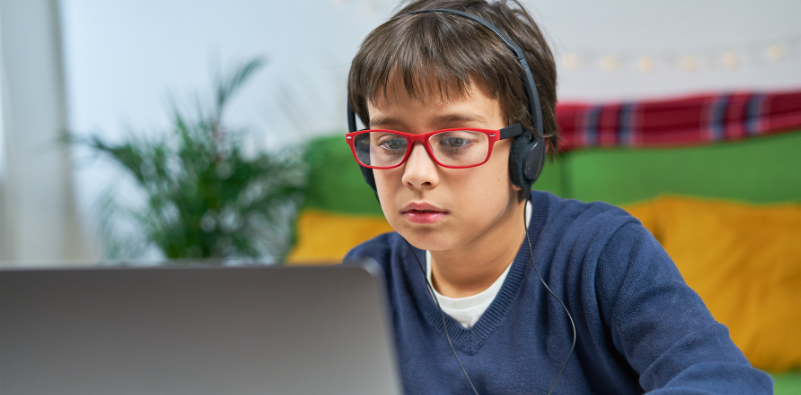
Many parents compare anti-glare lenses with blue light blocking glasses for kids. They are not exactly the same thing.
Anti-glare coating is designed to reduce reflections and improve clarity. Blue light filtering lenses are designed to reduce exposure to certain wavelengths of blue-violet light from digital screens and other sources.
Some lenses may include both features, depending on the product. For kids who spend a lot of time on screens, parents may choose lenses that combine anti-glare coating with blue light filtering technology. But if your main concern is reflections, shine, and visual clarity, anti-glare coating is the key feature to look for.
Who Should Consider Computer Glasses For Kids?
Computer glasses for kids can be a smart option for children who use digital devices regularly. They may be especially helpful for kids who do schoolwork online, attend virtual lessons, use tablets for learning apps, or spend time gaming and watching videos.
They may also be worth considering if your child often uses screens in bright spaces, sits near windows, or studies under strong artificial lighting.
Anti-glare lenses are not just for kids who complain about glare. Some children may not know how to explain what feels uncomfortable. They may simply avoid reading, lose concentration, or seem more tired after screen-based tasks. Clearer lenses can help reduce one possible source of distraction.
How To Choose The Best Anti-glare Glasses For Your Child
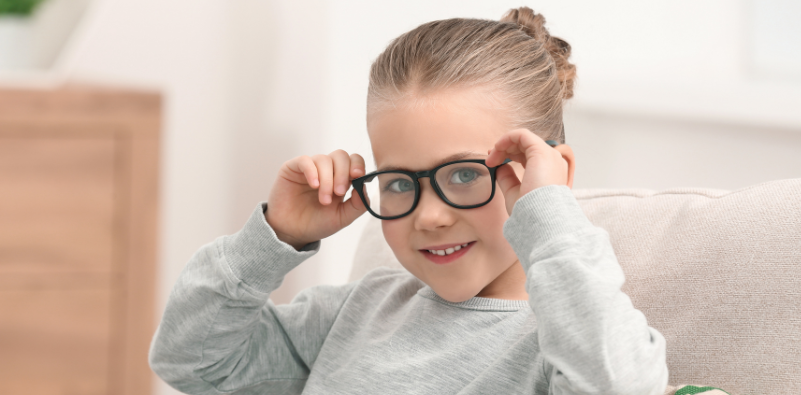
Shopping for the best anti glare glasses does not have to be complicated. Start with fit. Kids need frames that feel good, stay in place, and do not pinch behind the ears or slide down the nose.
Next, look at lens quality. A reliable anti-glare coating should help reduce reflections while keeping vision clear. Durability matters too, because kids are not exactly famous for treating glasses like museum artifacts.
Comfort is also huge. If glasses feel heavy, awkward, or annoying, your child may not want to wear them. Lightweight frames, flexible materials, and properly fitted lenses can make a big difference.
For school-age children, it is also worth choosing frames that can handle everyday life. Backpacks, playgrounds, lunch tables, and after-school activities can all put glasses to the test.
Make Screen Tme Clearer, Calmer and Easier
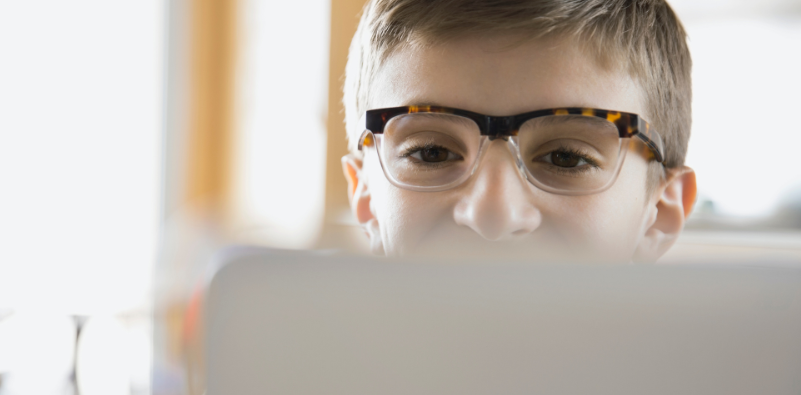
Digital devices are part of how kids learn, play, and connect. While screens are not going anywhere, small changes can make screen time feel a lot better.
Anti-glare glasses help reduce reflections, improve clarity, and support a more comfortable viewing experience during homework, online lessons, gaming, and everyday device use. For parents looking for a simple way to make screen time easier on their child’s eyes, anti-glare coating is a smart place to start.
Explore our range of kids’ glasses and consider adding an anti-glare coating to help your child enjoy clearer, more comfortable screen time at home, at school, and everywhere in between.