







Picture this: your 5-year-old sits at the kitchen table, squinting at homework while unconsciously covering one eye. They might not realize they can’t see clearly—and neither might you. Vision issues in children often go unnoticed because kids don’t always report what they can’t see or compare their vision to others. This guide provides clear information on the importance of comprehensive eye examinations, proper timing, frequency recommendations, what’s included in a first time eye exam, and how it connects to confidently purchasing kids glasses online.
Why Early Eye Care Matters More Than You Think

Vision isn’t just about seeing clearly—it’s the foundation for your child’s entire development. Good vision supports essential milestones like hand-eye coordination, safe mobility, and those precious first steps toward independence. Socially, clear vision helps children connect with friends, read facial expressions, and participate confidently in playground activities.
In the classroom, vision becomes even more critical. Reading, writing, and following along with lessons all depend on healthy eyesight. Many childhood vision problems have subtle signs that parents and teachers might miss, but comprehensive eye exams can identify issues even when kids don’t complain about blurry vision or headaches.
Early detection through pediatric eye exams can prevent avoidable academic struggles and help your child reach their full potential in school and beyond. Learn more about child vision development and care.
Eye Exam Schedule: When to Start and How Often

The American Optometric Association provides clear, evidence-based guidelines for comprehensive eye care. Here’s the recommended timeline that every parent should know:
6 to 12 months: Your child’s first time eye exam should occur during their first year of life. This baseline assessment helps detect any developmental issues early, when treatment is most effective. The InfantSEE program supports this timing by offering no-cost comprehensive eye assessments for infants.
Ages 3 to 5: At least one comprehensive pediatric eye exam should take place during the preschool years. This critical period allows eye doctors to identify conditions that could have long-term effects on your child’s vision and learning ability.
Before 1st grade (about 5-6 years): A comprehensive kids eye exam before school demands ramp up ensures your child’s vision is ready for classroom learning. This timing helps address any vision problems before they impact academic performance.
Annually thereafter: The AOA’s evidence-based guidance emphasizes that every child should receive an annual eye exam from ages 6-18. This frequency ensures that rapidly changing vision needs are caught and addressed promptly.
While school and pediatric screenings can be helpful for basic vision checks, they don’t replace the thoroughness of a comprehensive examination by an optometrist or ophthalmologist.
What Happens During Your Child’s First Eye Exam
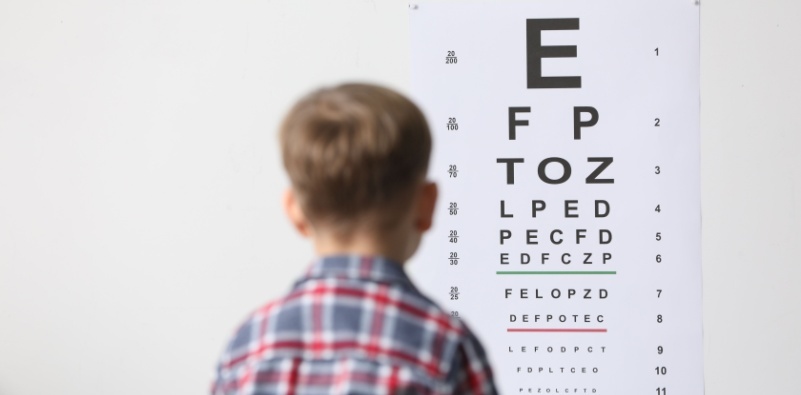
Understanding what to expect can help both you and your child feel more comfortable during that initial visit. A comprehensive examination typically includes several age-appropriate components:
Health and Family History: Your eye doctor will ask about pregnancy complications, family history of eye diseases, and any developmental concerns you’ve noticed.
Age-Appropriate Vision Checks: For infants, doctors use lights and colorful objects to assess visual tracking. Preschoolers might identify pictures or shapes, while school-age children can read eye charts.
Measuring the Prescription: Even babies can have their refractive error measured using specialized equipment that doesn’t require verbal responses.
Eye Alignment and Focusing Tests: These evaluate how well your child’s eyes work together and maintain focus, which is crucial for reading comfort and academic success.
Eye Health Evaluation: The doctor examines the internal and external structures of the eyes to detect any health issues that could affect vision development.
For older children, browse our teens eyeglasses to find frames designed for comfort and durability.
Common Conditions Found During Children’s Eye Exams

During a comprehensive examination, optometrists may identify various childhood vision problems. Here are parent-friendly definitions of what might be discovered:
Refractive Errors: These include nearsightedness (myopia), farsightedness (hyperopia), and astigmatism. These conditions often require corrective eyewear.
Amblyopia (“Lazy Eye”): This is reduced vision in one eye caused by the brain favoring the other eye during early development, even though the eye itself may look normal.
Strabismus: When eyes don’t align properly or one eye turns in, out, up, or down, affecting depth perception and potentially leading to amblyopia.
Binocular Vision Issues: Difficulty coordinating both eyes together or sustaining focus, which can significantly impact reading comfort and classroom performance.
Color Vision Deficiency: This is when the eyes have trouble telling certain colors (most often reds/greens, or sometimes blues/yellows) apart because the color-sensing cone cells don’t respond to light in the usual way.
When to Schedule an Eye Exam Sooner
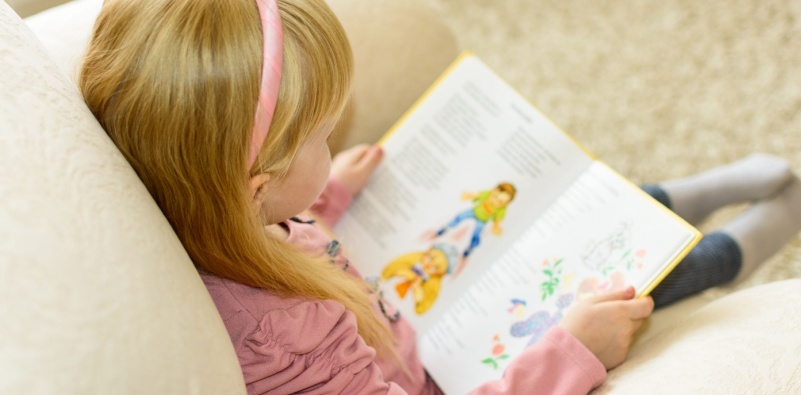
While regular eye care scheduling is essential, certain symptoms warrant immediate attention. Watch for these signs that may indicate vision problems:
- Frequent squinting or closing one eye
- Sitting very close to screens, books, or the TV
- Regular complaints of headaches or eye rubbing
- One eye that appears to drift or turn
- Difficulty with reading or schoolwork despite adequate intelligence
- Teacher concerns about classroom performance
- Complaints of blurred or double vision
- Unusual sensitivity to light
- Covering or blocking one eye during activities
If you notice your little one displaying any of these symptoms, we recommend scheduling an appointment with an eye doctor, don’t wait for the next scheduled appointment.
Connecting Eye Exams to Online Glasses Shopping
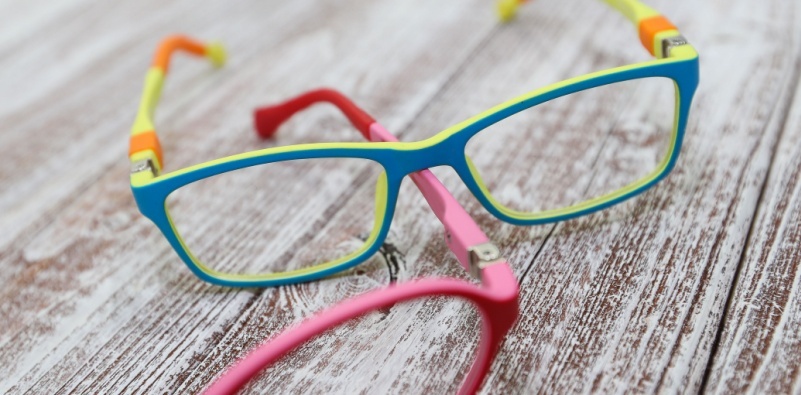
Regular comprehensive examinations and up-to-date prescriptions are essential when purchasing children’s prescription glasses online. Children’s vision can change rapidly as they grow, and ordering from an outdated prescription can lead to poor comfort, persistent headaches, and frustrated children who refuse to wear their new eyewear.
Before browsing kids glasses online, make sure you have:
Current Prescription Information: Verify the prescription date and check with your insurance provider about expiration guidelines, as most prescriptions are valid for one to two years.
Accurate Measurements: Obtain the pupillary distance (PD) and any other measurements your eye doctor provides, as these ensure proper lens positioning in the frames.
Lens Recommendations: Ask your optometrist about specific lens needs for your child’s lifestyle, whether they need glasses for sports, reading, computer work, or full-time wear.
When you shop with confidence in your prescription’s accuracy, you’re investing in your child’s comfort, academic success, and overall quality of life.
Ready to Prioritize Your Child’s Vision?
Your child’s eyesight shapes their world in countless ways—from classroom learning to playground confidence. Don’t let undiagnosed vision issues create unnecessary barriers to their success and happiness. Regular eye care and properly fitted eyewear can make all the difference.
Before you add frames to cart, make sure your child has had a recent annual eye exam and you have an up-to-date prescription. Then browse our kids’ frames designed for comfort, durability, and active days—delivered to your door. Visit Yay Optics collection to discover stylish, affordable eyewear that helps your child see their brightest future clearly.